
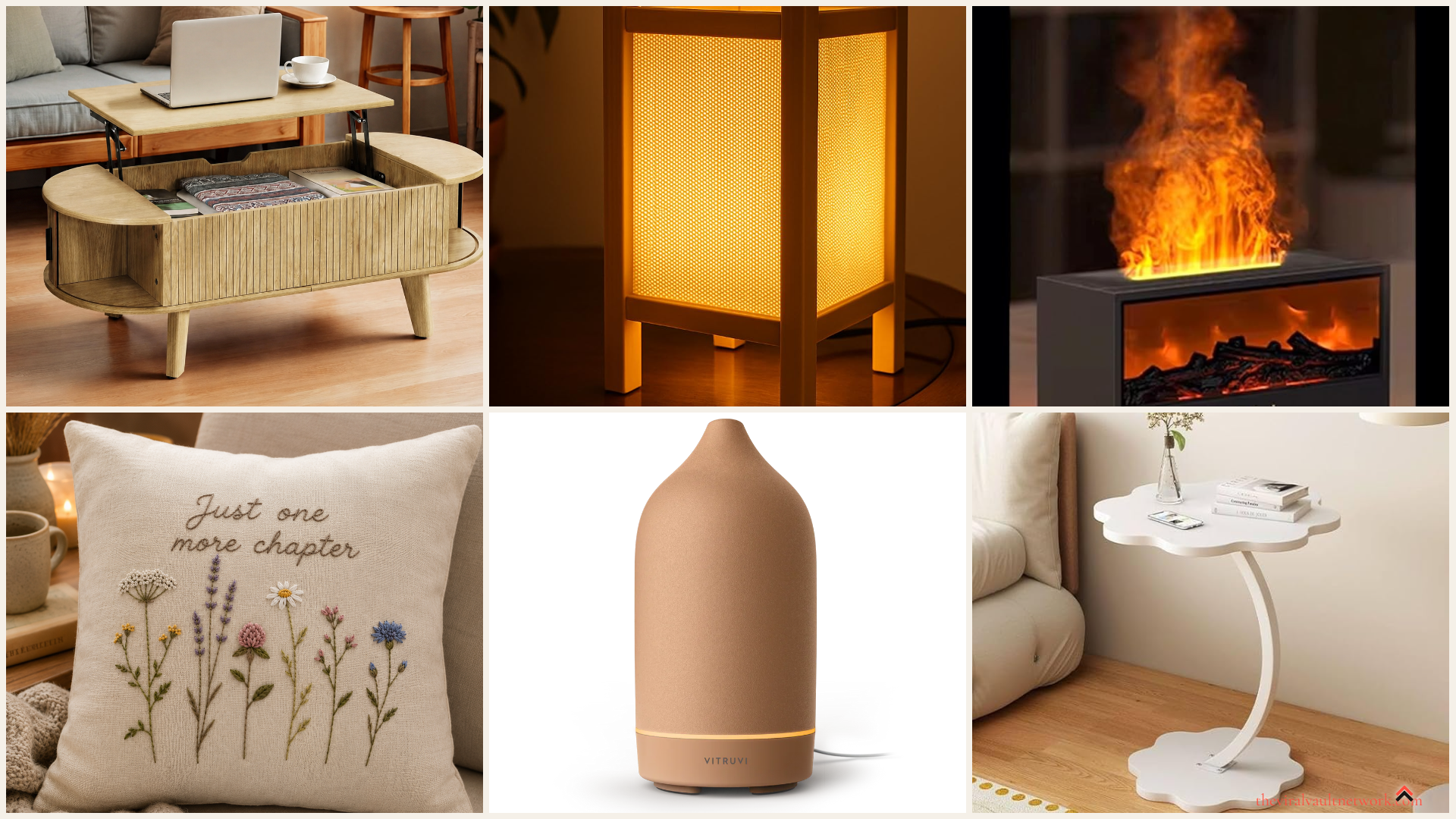
The products and brands in this article were identified through real-time search trend data across Google, YouTube, Meta, X, LinkedIn, TikTok, and Pinterest. Nothing here is a personal opinion or paid placement. However, this article may contain affiliate links. At no cost to you, I will earn a commission, which helps reduce the ever-increasing costs of keeping this site active.
In 2023, a Reddit user posted a photo of a corner of their apartment: one chair, one lamp, one blanket, and a small side table with a cup of tea. It had no built-in shelving, no architectural feature, and no designer budget. It had 47,000 upvotes in 24 hours.
The global home decor market is projected to reach $1,622.90 billion by 2030, growing at 9.4% annually. A significant portion of that growth traces back to that Reddit corner.
The revelation most people miss: you do not need a dedicated room, a window seat, or a renovation budget to build a reading nook that changes how you spend your evenings.
A rug, a lamp, and a diffuser placed in the right corner of any room create a sensory boundary your brain recognises as somewhere different from the rest of your home.
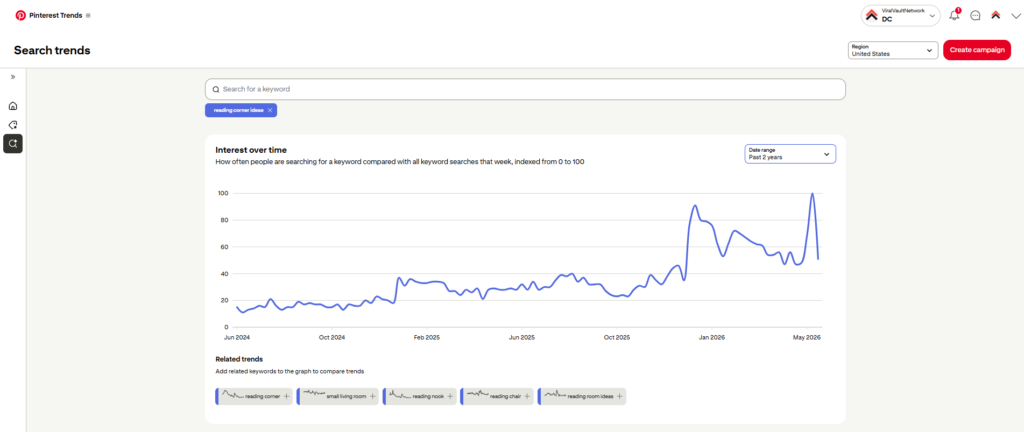
Pinterest reported a 130% increase in searches for “reading corner ideas” in 2024 alone. #readingnook and #cozyvibes have collectively surpassed 600 million TikTok views.
We have identified these 16 products after analyzing Google, Meta, Instagram, TikTok, YouTube, LinkedIn, and Pinterest search data.
So, let’s look at what the trend reveals.
How a 47,000-Upvote Corner Became a $1.6 Trillion Market Signal?
The reading nook trend is not really driven by people who want to read more books.
It is driven by people who are tired of staring at screens all day and want a dedicated corner of their home that feels calm, slow, and completely their own.
Books are just the symbol of that feeling. The nook is the real product.
Consumers prioritising mindfulness and comfort at home are driving this trend at every income level.
IKEA and Article have begun releasing curated “nook bundles” that pair seating, lighting, and accessories, which signals that the category has crossed from niche lifestyle content into mainstream retail strategy.
The data behind the products is equally clear. According to Research Intelo, the global boucle accent chair market was valued at $2.1 billion in 2024 and is projected to reach $4.8 billion by 2033, growing at a CAGR of 9.2%.
Adjustable-warmth LED floor lamps have become a reading nook staple, and the reason is simple: overhead lighting is built to light a whole room, not a chair.
A dimmable floor lamp you can warm down in the evening gives you a pool of light to read in instead of a ceiling glare to squint under.
Bookcase sales have spiked, especially modular and compact shelving suited for small spaces.
The Japandi aesthetic, a design philosophy blending Japanese minimalism and Scandinavian hygge, is the visual framework most reading nook content is built around.
It prioritises natural textures, warm neutrals, and purposeful objects. Every product on this list fits that framework.
The consumer is not decorating a room. They are building a retreat inside the room they already have.
That distinction is what makes cozy reading nooks a macro trend with staying power rather than a seasonal Pinterest aesthetic.
The Scandinavian Secret Behind This Viral Trend
Hygge
Hygge is a Danish and Norwegian concept with no direct English translation.
It describes a quality of cosiness, warmth, and convivial contentment that Nordic cultures treat as a practical daily priority rather than an occasional luxury.
Hygge was documented as a cultural practice in Denmark as far back as the 18th century, and Scandinavian design has always prioritised its physical expression through soft textiles, warm lighting, and gathered spaces.
The cozy reading nook trend is hygge translated into a product category.
Every scalloped rug, faux fur blanket, and waterless diffuser in this article exists to create the same sensory environment that Danish households have been building for centuries.
The cozy reading nook is not just an aesthetic. It is a nervous system intervention backed by Scandinavian public health research.
Japandi Design
Japandi is a portmanteau of Japanese and Scandinavian, describing a design aesthetic that emerged as a recognised category in the 2010s when interior designers noticed the deep philosophical alignment between wabi-sabi, the Japanese acceptance of imperfection and transience, and hygge, the Scandinavian pursuit of warmth and simplicity.
Both traditions prioritise natural materials, functional beauty, and spaces designed for rest rather than performance.
The Japandi lamp and scalloped design elements in this trend are the product expressions of that shared philosophy.
16 Products That Turn Any Corner Into a Retreat
These 16 products are a curated mix.
Some of the core cozy reading nook items driving the trend directly: lighting, textiles, and scent.
Others are the sensory, tech, and ritual products that dedicated nook builders consistently pair with them to create a complete environment.
You need both halves of the list to understand what separates a chair in a corner from a space you actually want to return to every evening.
1. Japandi Lamp
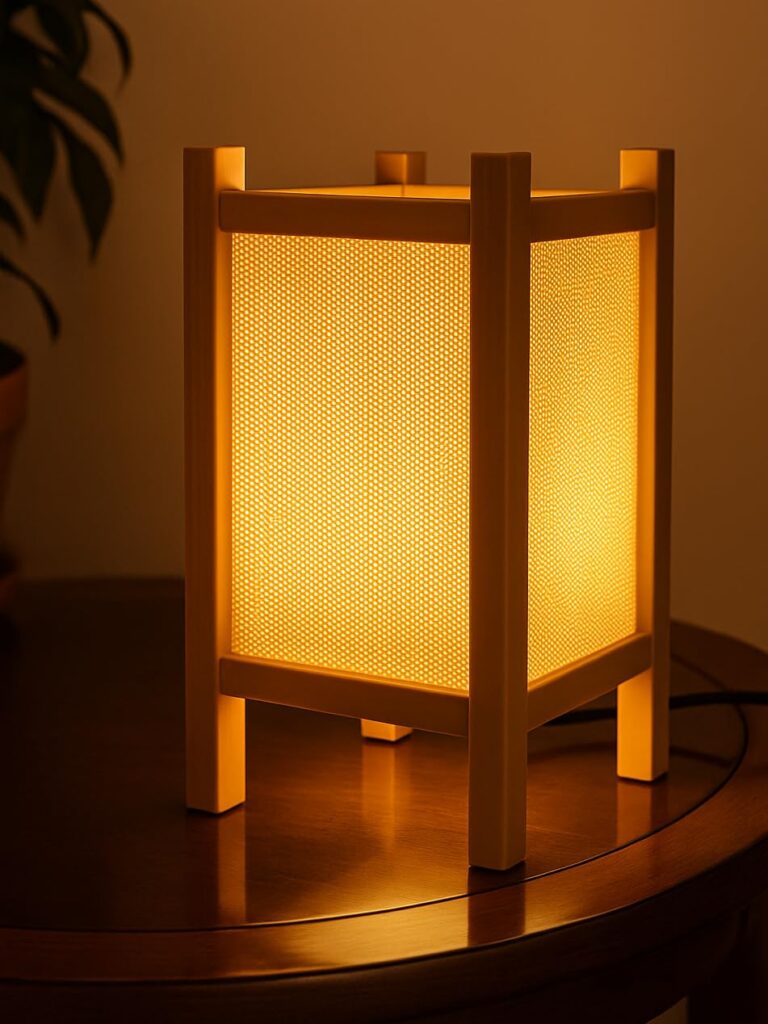
Japandi lamp is a floor or table lamp built around the wabi-sabi design principle: natural materials, warm-toned light output, and a silhouette that adds visual calm rather than visual noise to a space.
It is the single most impactful product in any reading nook built because light quality determines whether a space feels cosy or clinical.
LED floor lamps with adjustable warmth are up 18% year-over-year, driven specifically by buyers who understand that 2700K warm light and 5000K daylight create entirely different emotional states in a room.
A standard Pottery Barn floor lamp with a fixed warm shade costs $279. A Japandi-style arc floor lamp with dimmable warm LED and natural rattan or bamboo construction delivers the same 2700K warmth and aesthetic quality for $60 to $90. The light temperature is identical. The price is not.
2. Scalloped Rug
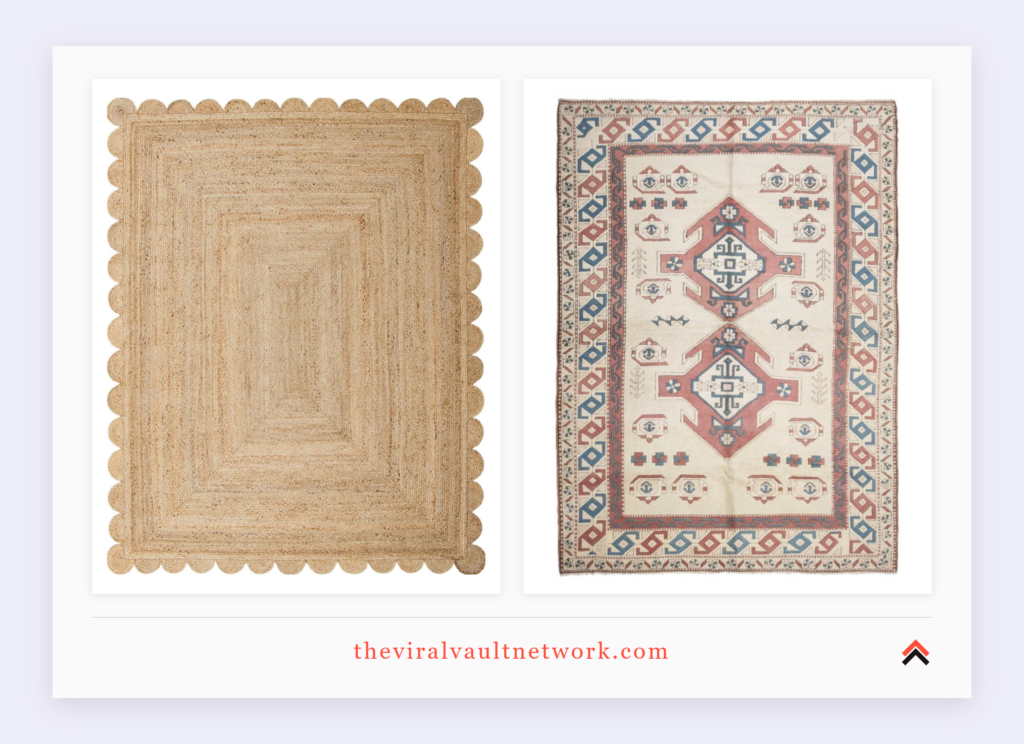
Scalloped rug defines the physical boundary of the reading nook, using a curved-edge silhouette to create a visual anchor point that separates the nook from the rest of the room without a wall or architectural feature.
The scalloped edge is the defining design detail of 2025 and 2026 interior content, appearing across rugs, side tables, mirrors, and pillows in every room category.
Vintage pattern rugs, the tangential trend running alongside this product, serve the same spatial anchoring function for readers who prefer the maximalist or cottagecore aesthetic over Japandi minimalism.
revival is one of the best places to look for handmade vintage rugs. They are very popular rug vendors with 900k monthly visitors. The price starts at $79.
3. Faux Rabbit Fur Blanket
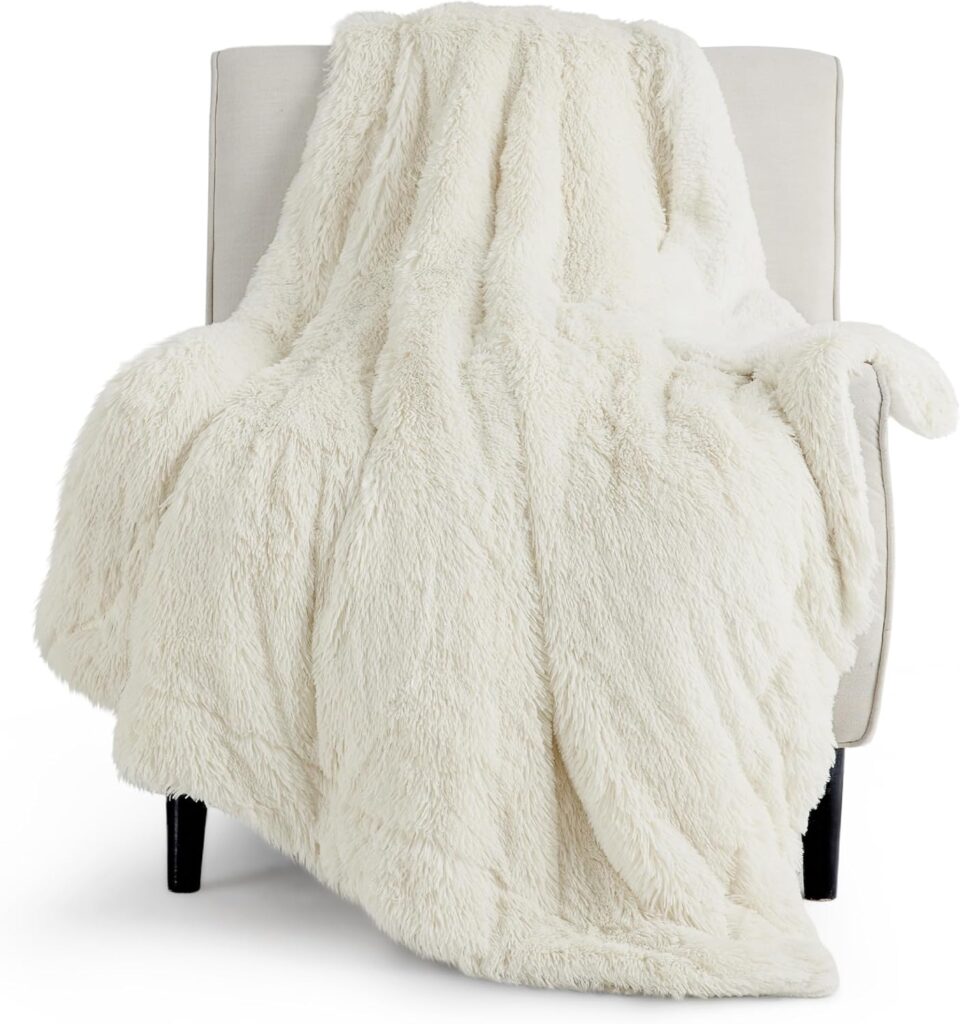
Faux rabbit fur blanket delivers the tactile warmth and visual softness of a luxury fur throw without the ethical and price barriers of real animal fur, using ultra-plush microfibre construction that holds its loft through repeated washing.
The faux fur throw category is the highest-impulse-purchase product in the cozy home trend, driven by the sensory immediacy of the material.
A faux fur blanket is the reading nook product most buyers add to their cart within 90 seconds of seeing it in content.
The Bedsure Faux Fur Throw Blanket has over 40,000 reviews on Amazon and a 4.6-star average, making it the most validated entry point in this category.
4. Custom Embroidered Pillow
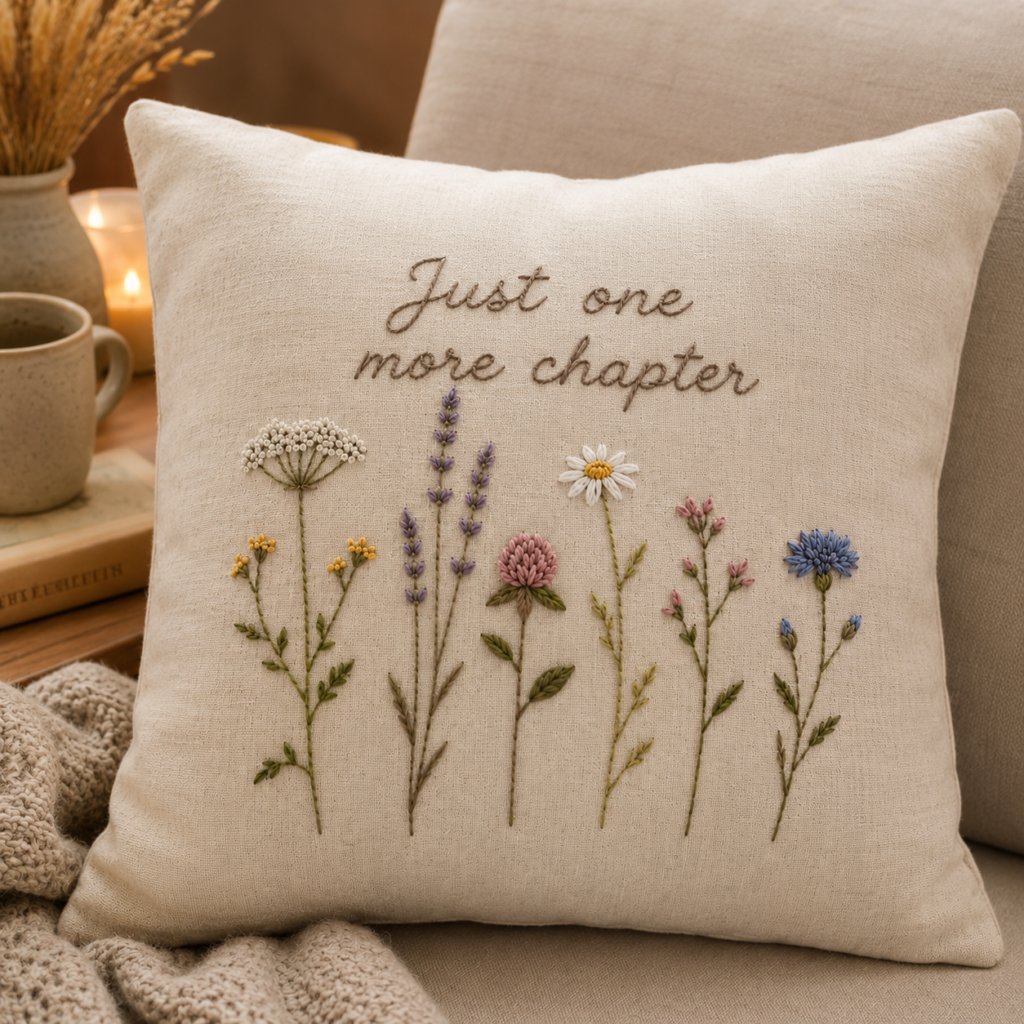
A custom embroidered pillow personalises the reading nook with text, quotes, or imagery stitched into the fabric, creating the one object in the space that cannot be replicated from a catalogue and signals intentional curation rather than a one-click setup.
Personalized pillows have become one of the fastest-moving corners of Etsy’s home decor listings, driven by people who want a reading nook that feels like a personal space, not a showroom.
The most-ordered customisations are favourite book quotes, coordinates of meaningful places, and illustrated portraits of pets.
The Etsy Custom Embroidered Throw Pillow listings with under-two-week turnaround are the most consistently reviewed in this category.
5. Waterless Diffuser

Waterless diffuser disperses essential oil fragrance through a cold-air nebulising mechanism that does not dilute the oil with water, producing a stronger, longer-lasting scent throw than ultrasonic diffusers in the same room size.
It is the scent layer of the reading nook, and scent is the sensory input most directly connected to memory and mood.
The waterless diffuser category is growing as interior design consumers discover that scent is the last sensory layer most nook builders add and the one that most consistently determines whether a space feels complete.
The Vitruvi Stone Diffuser is the most photographed diffuser in reading nook content and the product that most readers say made them realise their nook was missing something.
6. Fireplace Diffuser
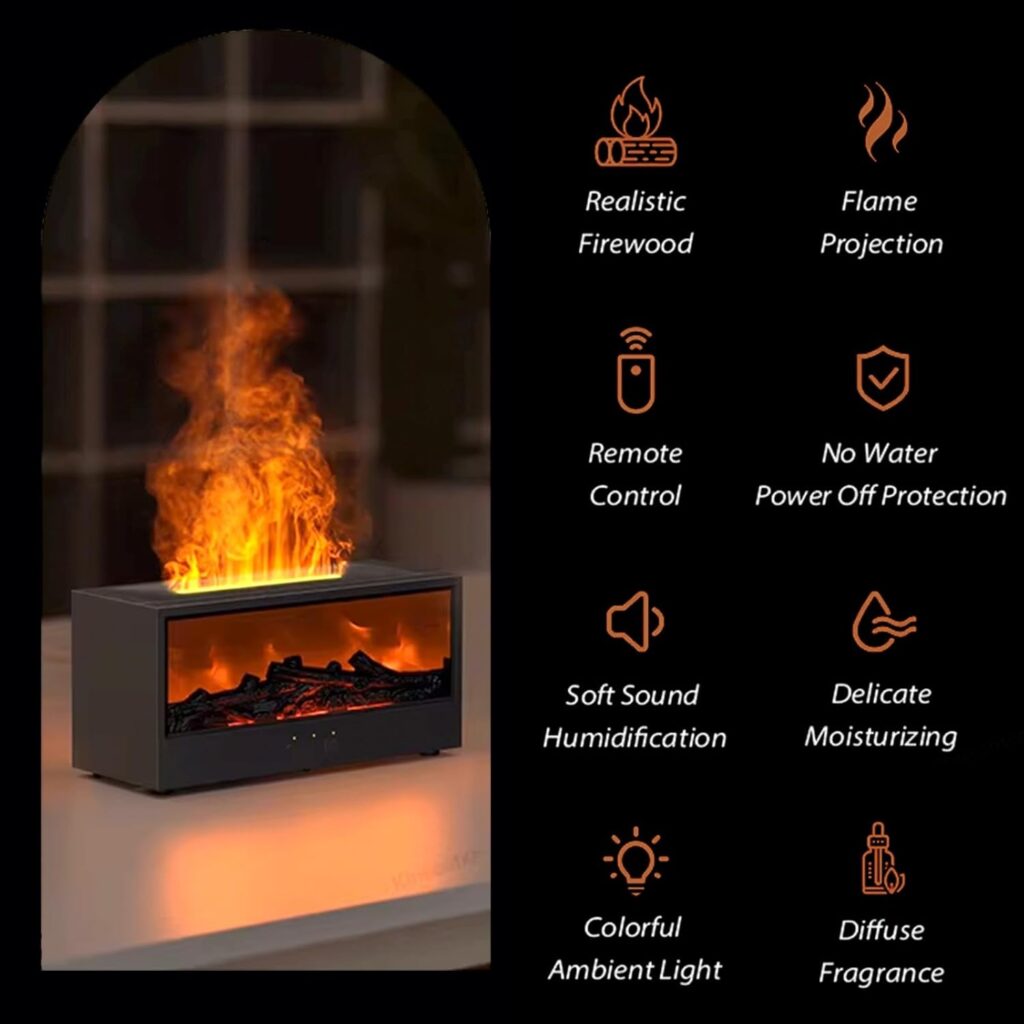
The scent and ambience product that adds the sensory experience of a wood-burning fire to any reading nook, regardless of whether the building has a chimney.
Fireplace diffuser combines a crackling fire sound component or LED flame visual effect with wood-smoke, cedar, or birchwood essential oil diffusion, creating a multi-sensory fireplace atmosphere in a single compact product.
The fireplace diffuser category is growing among apartment dwellers and renters who cannot install a real or electric fireplace but want the core sensory experience that an open fire delivers in a reading space.
It is the product that most consistently generates the comment “I did not know this existed” in reading nook content.
7. Scalloped Side Table
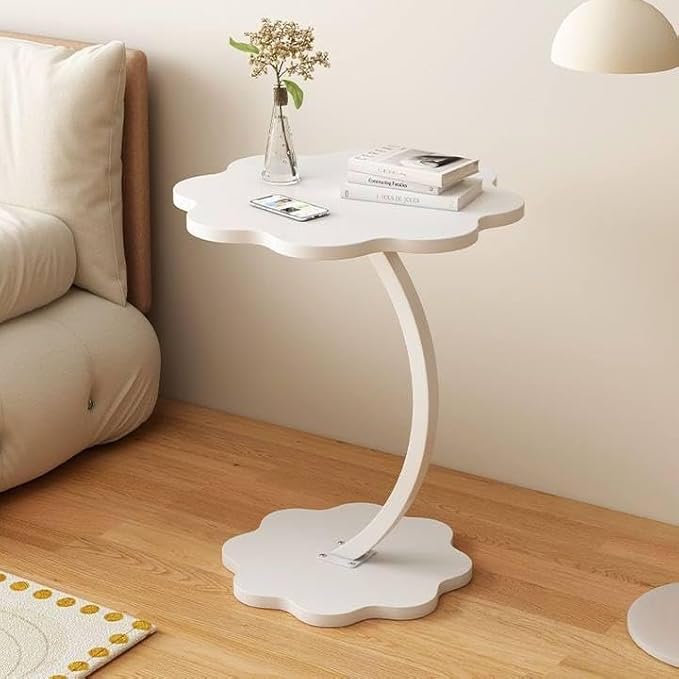
Scalloped side table is a small accent table with a curved-edge or petal-shaped surface that holds a mug, a book, and a candle within arm’s reach of the nook chair without taking up the floor space of a standard side table.
The scalloped side table is the design detail most associated with the 2025 to 2026 interior content wave, appearing in every reading nook build that has generated over 50,000 Pinterest saves.
It solves the most practical problem of nook building: where to put your tea when you need both hands for a book.
8. Wolfberry Tea
Wait, I got you.
It is not directly related to the aesthetics of the reading nook. But it is directly related to the ritual of it.

The wolfberry tea trend entering the cozy reading nook space represents the convergence of the slow beverage movement and the reading ritual: consumers building intentional wind-down routines want a drink that is as purposeful as the space around it.
Wolfberries contain zeaxanthin, a carotenoid associated with eye health that accumulates in the retina.

A cup of wolfberry tea consumed during an evening reading session is supporting the same eyes doing the reading.

Tang Dynasty physicians prescribed it for exactly this purpose 1,300 years before optometry existed.
Wolfberry tea is a warm herbal infusion built around dried goji berries, traditionally consumed in East Asian wellness culture for its association with eye health and restorative energy, now entering the Western reading ritual as the most intentional hot beverage alternative to standard chamomile or green tea.
The global wolfberry extract market is valued at $647 million in 2025 and is projected to reach over $1 billion by 2033, driven by rising consumer interest in antioxidant-rich functional beverages, the slow living movement, and the reading nook trend.
9. Journaling Kit
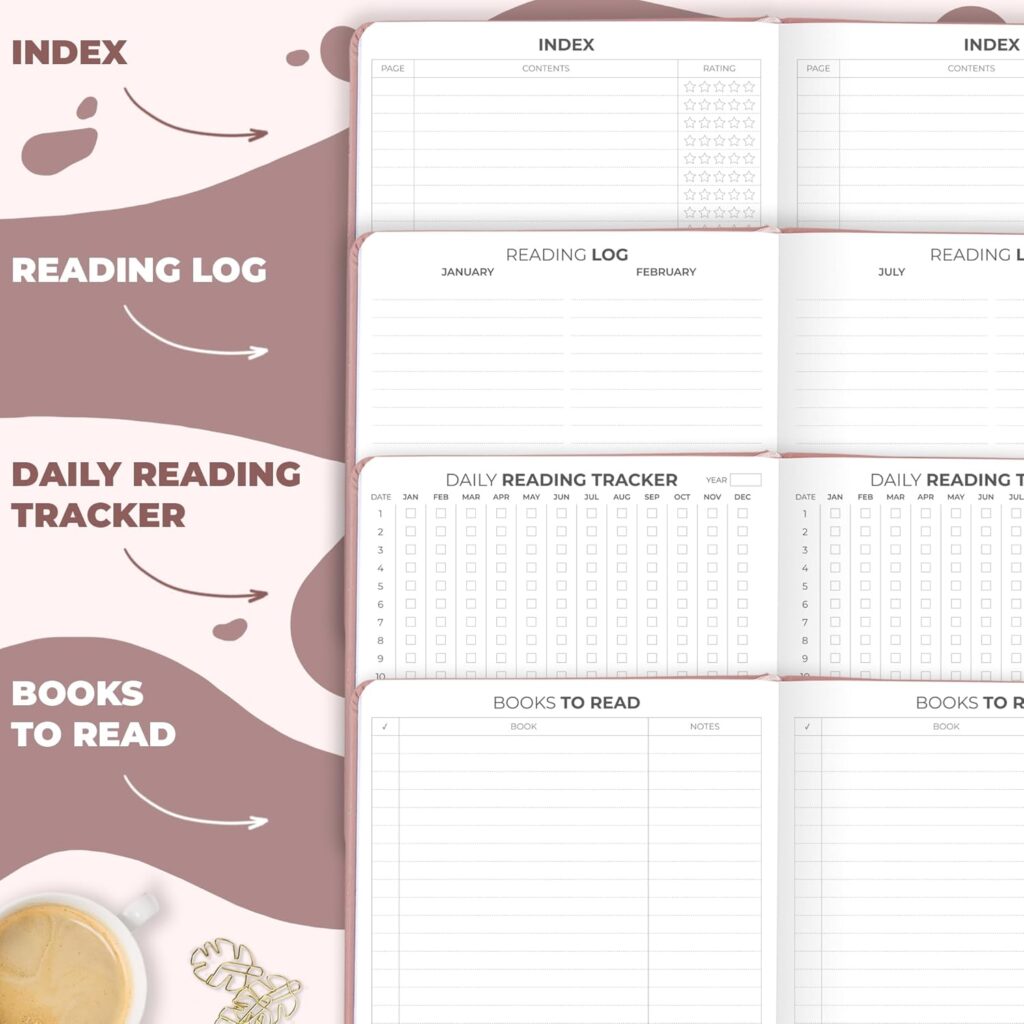
Journaling kit is a curated set of writing tools, typically a high-quality notebook, a set of fine-liner or fountain pens, and a wax seal or bookmark, designed to make the writing ritual as tactile and intentional as the reading ritual it sits alongside.
The journaling kit category is growing as reading nook builders discover that the nook becomes more used and more valued when it serves two activities rather than one.
A reading nook that includes a journaling kit becomes more than a reading space. It becomes a thinking space, and that shift in purpose is what makes people return to it again and again.
10. Smart Shades
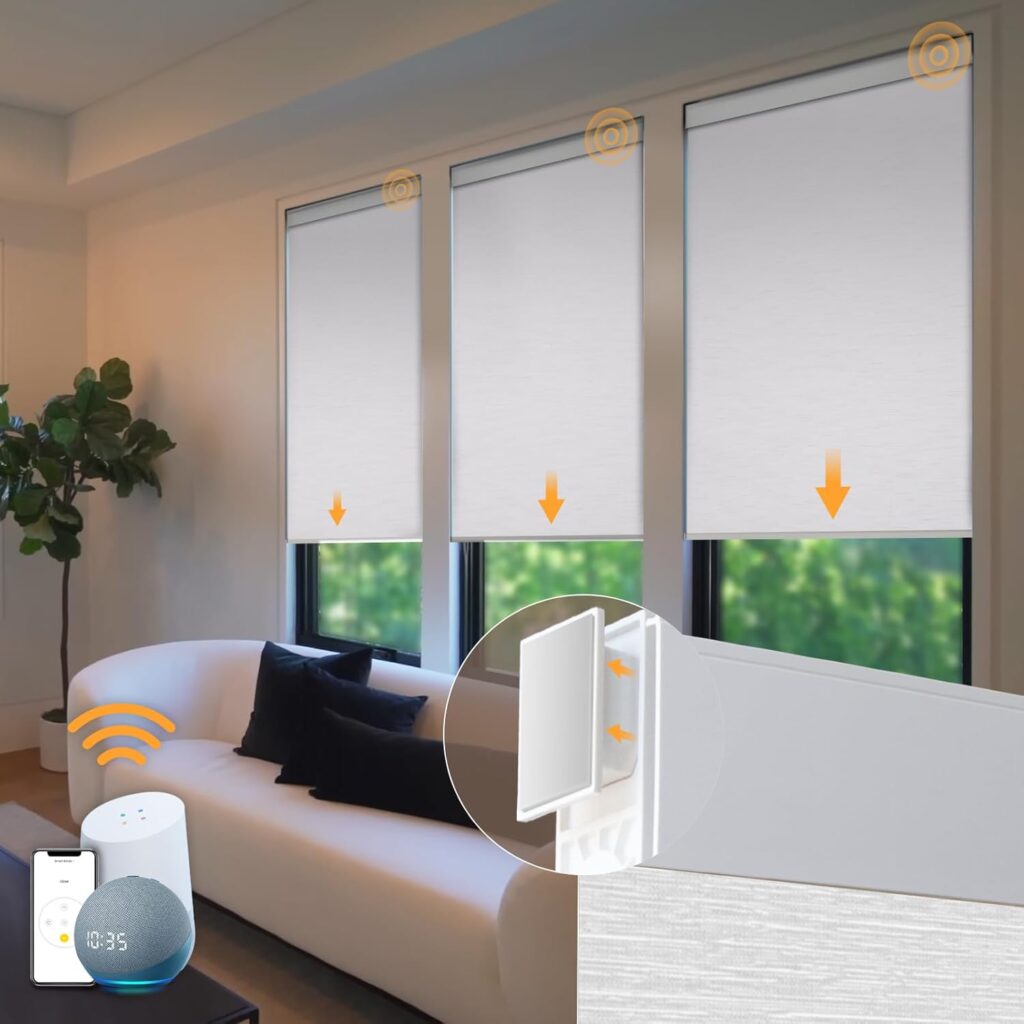
Smart shades are motorised window blinds or curtains controlled by a smartphone app, voice assistant, or scheduled automation, allowing the reading nook user to adjust natural light levels without leaving their seat or disrupting the atmosphere of the space.
The smart shades category is the tech layer of the reading nook trend, growing as consumers who have already invested in lighting, scent, and textiles discover that uncontrolled window light is the one variable they cannot manage from their chair without standing up.
Smart shade solutions using battery-powered motors that fit standard curtain rods cost $80 to $150 per window with no installation required.
11. Mini Air Purifier
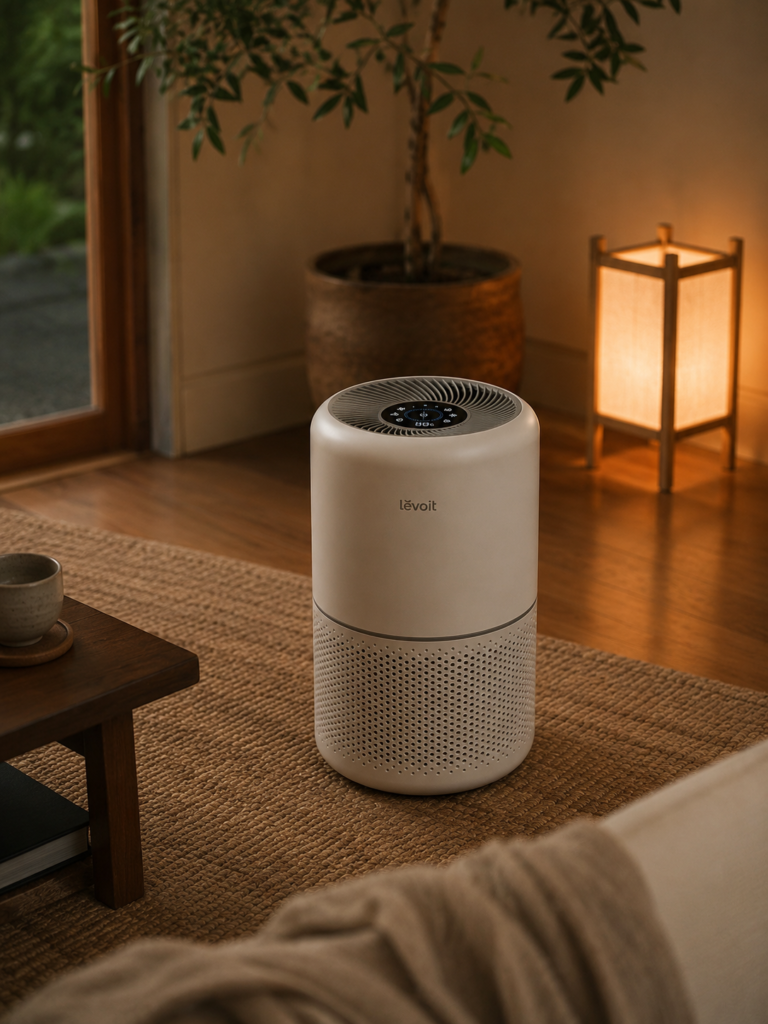
The environmental health layer that removes airborne dust, allergens, and VOCs from the small enclosed atmosphere of the reading nook, making the air as clean as the aesthetic.
Mini air purifier uses a HEPA filter to remove particulates from the air in a radius of 150 to 200 square feet, which covers the footprint of most reading nooks while operating silently enough to hear a page turn.
The mini air purifier category is growing within interior design communities as consumers discover that books, rugs, and soft textiles accumulate dust particles that standard room ventilation cannot remove.
The nook is the space you breathe in most deliberately. A mini purifier makes that breathing as intentional as the candle you lit beside it.
The Levoit Core 300S Smart True HEPA Air Purifier is the most recommended compact purifier for reading nook environments, specifically for its whisper-quiet operation and white or black colourways that integrate with Japandi aesthetics.
12. Mid-Century Desk Chair
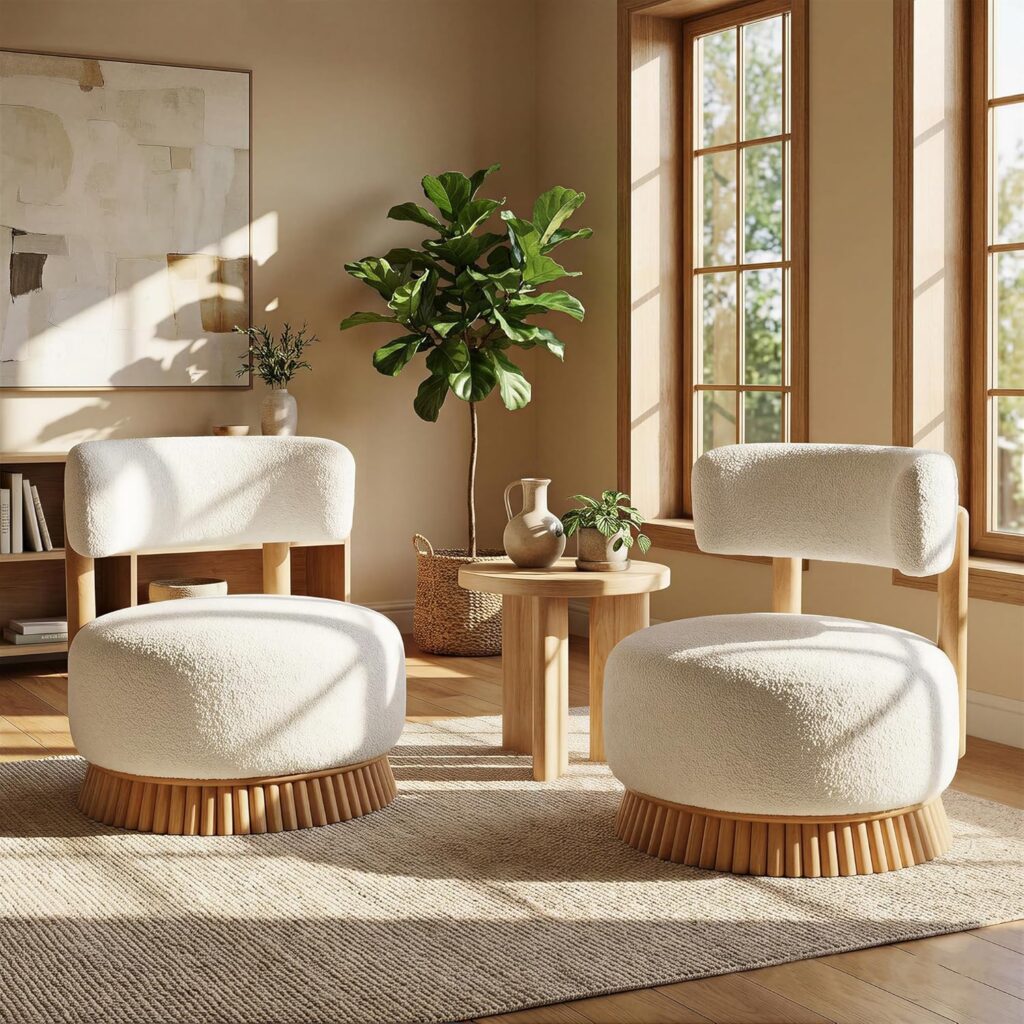
Mid-century desk chair is a wooden-framed accent chair with a curved back and padded seat, built around the ergonomic and aesthetic principles of 1950s Scandinavian furniture design that prioritised comfort for extended seated use.
It is the seating layer for reading nook builders who want a chair that looks deliberate rather than merely functional.
Oversized lounge chairs and accent seating have become the anchor piece of the cozy-corner aesthetic, and mid-century silhouettes keep showing up in the reading nooks people actually save and share.
The appeal is practical, not just visual: a deep seat and a high back let you fold your legs up and stay put for two hours without your neck complaining.
The Christopher Knight Home Eloise Fabric Chair is the most accessible mid-century accent chair recommended across reading nook communities for its proportions, cushion depth, and under-$350 price point.
Buying furniture online used to feel risky. You could not sit in the chair first. Now it feels normal.

More than 71% of Americans buy at least one piece of furniture online each year. About a third of all furniture sales in the U.S. now happen online.

Most people are not furnishing a whole house this way. They are buying one lamp. One side table. One chair that finishes a corner.
13. 3D Crystal Ball

3D crystal ball is a decorative glass sphere that refracts light into prismatic patterns across the reading nook, functioning as a passive ambient light object when positioned near a lamp or window.
It is the curious object of the space.
The 3D crystal ball category is growing within the reading nook and dark academia aesthetic communities, driven by consumers who want one object in their nook that creates movement and visual interest without requiring a screen.
The refracted light effect changes throughout the day as the light source shifts, making it the only decor product in the nook that is different every time you sit down.
14. Board Game Coffee Table
This is the best alternative for those who don’t want the scalloped side table.
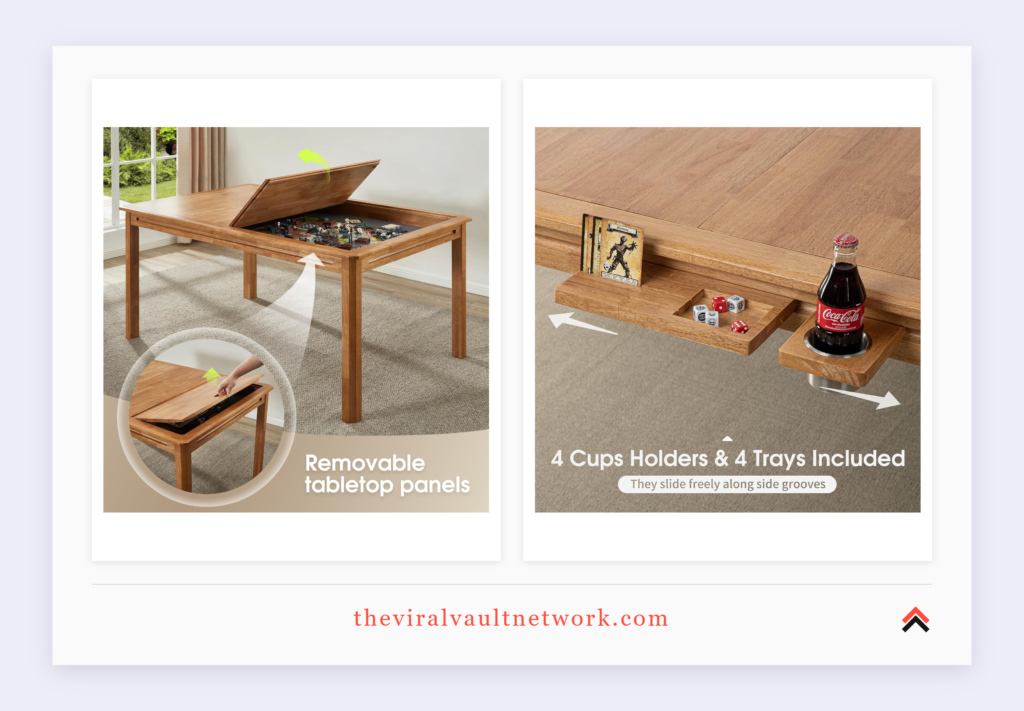
Board game coffee table is a dual-purpose coffee table with a reversible or lift-top surface that conceals a storage compartment designed to hold board games, card decks, and puzzles, turning the reading nook into a space for both solo and shared leisure without adding a separate storage unit.
The board game coffee table category is growing as reading nook builders discover that the nook becomes a more social and more frequently used space when it accommodates more than one activity.
A corner built for one person with a book becomes a corner built for two people with a game, which doubles the number of evenings the space earns its place in the room.
The foldable wireless charging stand, the tangential product running alongside this trend, pairs naturally with a board game coffee table for nook builders who want their devices charged and within reach during long game sessions without a cable trailing across the rug.
15. Ribbed Glass Tumbler

Ribbed glass tumbler is a textured drinking glass with vertical grooves pressed into the exterior, delivering the tactile warmth and visual character of handmade glassware in a format that sits naturally on a reading nook side table alongside a candle and a journaling kit.
The ribbed glass tumbler is the beverage vessel that turns wolfberry tea or any warm drink from a functional habit into a deliberate aesthetic choice.
It is a $20 product that changes the feel of a $500 nook setup without changing anything else.
The ribbed tumbler category is one of the fastest-growing home accessories on Pinterest, driven by interior creators who discovered that texture in a drinking glass catches lamplight differently than smooth glass, creating a warm amber glow that flat-sided tumblers cannot replicate.
An Anthropologie textured glass tumbler costs $18 to $24 per glass. Amazon and small Etsy makers deliver ribbed glass tumblers with identical texture depth and glass weight for $8 to $12 per glass.
The ribbing is a moulding process. It does not cost $12 more to produce.
16. Coffee Table with Storage
For those who don’t want the board game coffee table, this will be the best option.
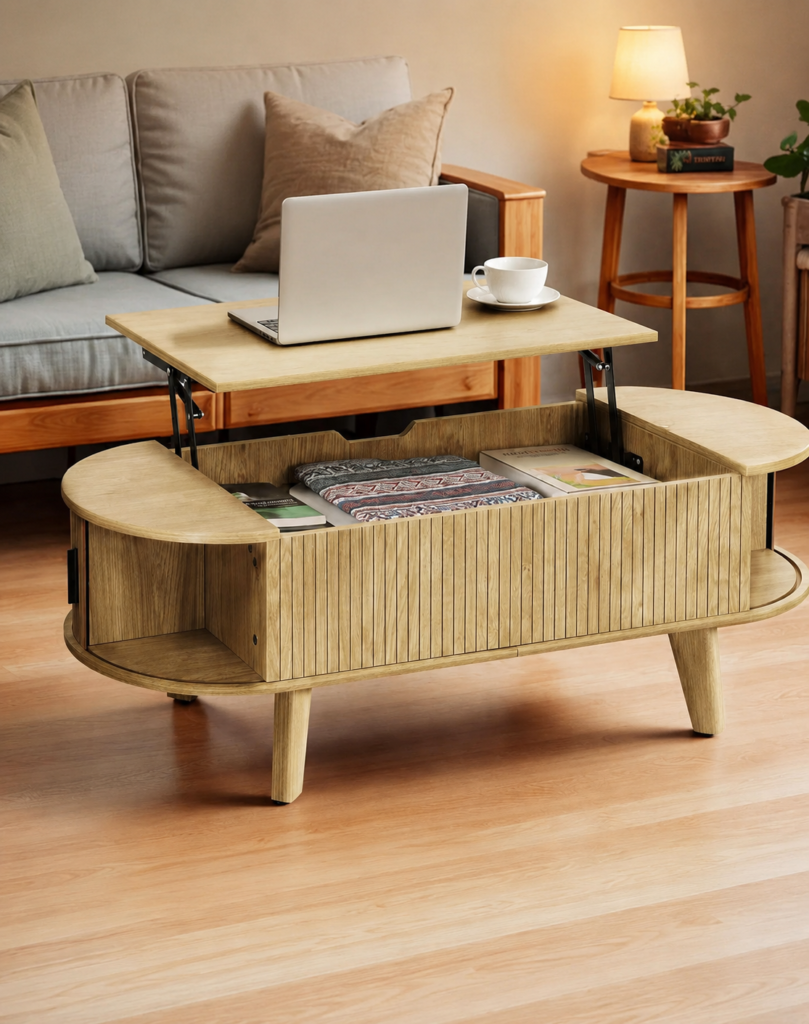
Coffee table with storage provides the surface and organisational layer of the reading nook: a place for books, candles, a tray, and the journaling kit, with drawers or shelving that keep the nook visually uncluttered between sessions.
The storage coffee table category is growing within the reading nook space as builders discover that the aesthetic of the nook degrades faster than any other room setup when items are left out without a designated home.
The nook that stays cosy is the nook with a surface designed for it.
The Bundle Movement: Brands Bringing Hygge Home
If you prefer a pre-curated look, these cozy reading nook bundle is exactly what you need.
IKEA’s decision to release curated “nook bundles” in 2024 and 2025 is the single most significant commercial signal that the cozy reading nook trend has crossed from lifestyle content into mainstream retail.
IKEA does not build product bundles for niche aesthetics. When IKEA bundles a seating category, that category has reached mass adoption.
Their POÄNG Chair and Ottoman combination remains the most purchased reading chair globally and the most-recommended entry point for first-time nook builders.
Article built its brand around accessible Japandi and Scandinavian furniture at prices below West Elm and Pottery Barn, targeting exactly the consumer the reading nook trend is built around.
Their Sven Chair and Cello Coffee Table are consistently cited in reading nook builds across Pinterest and are the mid-range equivalent between IKEA accessibility and Anthropologie premium.
Leuchtturm1917 built the premium notebook category for serious writers and journalers, producing a lined, dotted, and blank notebook with page numbers, an index, and acid-free paper that makes a journaling kit feel like an investment rather than a stationery purchase.
Their Medium A5 notebook is the most recommended journaling product in reading communities globally.
UNEXPECTED FINDING: The fastest-growing demographic building cozy reading nooks in 2026 is not the millennial woman the trend was built around on Pinterest.

It is men aged 25 to 45 who started with a gaming chair and a side table, discovered the sensory difference a rug and a lamp made to their evening sessions, and are now the fastest-growing buyers of Japandi lamps, scented diffusers, and journaling kits in the category.

The cozy reading nook trend has crossed every gender boundary because intentional comfort and digital detox are universal needs.

That is exactly why our data flagged it as a macro trend and not a passing Pinterest aesthetic.
The 8-Step Reading Nook Build That Works in Any Corner of Any Room
You do not need a dedicated room. You need a corner, eight products, and the right order to layer them.
Step 1: Define the Space: Scalloped Rug. Place it first. The rug is the floor plan of your nook. Everything else is positioned relative to it.
Step 2: Anchor the Seating: Mid-Century Desk Chair. Position it on the rug facing slightly away from the main room. The chair must face somewhere, not just sit somewhere.
Step 3: Set the Light: Japandi Lamp. Position it to the left or right of the chair at shoulder height. Warm 2700K light only.
Step 4: Add the Surface: Scalloped Side Table or Board Game Coffee Table. Within arm’s reach of the chair. This is where the tea, the candle, and the current book live.
Step 5: Layer the Scent: Waterless Diffuser or Fireplace Diffuser. Place it on the side table. Switch it on before you sit down. Scent primes the brain for the mode shift before the first page turns.
Step 6: Add the Texture: Faux Rabbit Fur Blanket and Custom Embroidered Pillow. Drape the blanket over the chair arm. The pillow goes at your lower back.
Step 7: Build the Ritual: Wolfberry Tea and Ribbed Glass Tumbler. Prepare the tea before sitting. The act of preparation is part of the ritual.
Step 8: Clear the Air: Mini Air Purifier. Run it on low. It is the one product in the nook that works while you are not paying attention to it.
Save this build. Your nook will be ready by this evening.
Final Note
Pinterest’s 130% search increase for reading corner ideas in 2024 is not a plateau. It is a baseline from which the category is still growing.
The next wave is forming now. Smart shades are entering the reading nook as the final controllable variable in ambient light management.
Mini air purifiers are becoming standard nook accessories as consumers extend the wellness logic of the space to air quality.
3D crystal balls are graduating from bookshelf curiosity to intentional light-diffusion tools in Japandi builds.
The $1.6 trillion home decor market is being rebuilt around the same consumer insight that gave us the reading nook: your home should work harder for your mental state than your office does.
FAQs About Cozy Reading Nooks
1. How do I build a cozy reading nook in a small apartment?
You do not need a dedicated room or architectural feature.
A rug defines the space, a floor lamp sets the light, and a single accent chair placed on the rug creates the nook. Three products and one corner is all the space you need.
The scalloped rug and Japandi lamp combination is the most consistently recommended starting point across small-space reading nook communities.
2. What is the best chair for a reading nook?
It depends on how long you read in one sitting. For sessions under 45 minutes, a mid-century accent chair with a padded seat delivers the right aesthetic and adequate comfort. For sessions over an hour, a gaming chair with lumbar support and a recline mechanism is the more practical choice.
3. What is the Japandi style and why is it popular for reading nooks?
Japandi combines Japanese wabi-sabi, the beauty of imperfection and natural materials, with Scandinavian hygge, the pursuit of warmth and simplicity.
The result is an aesthetic that uses natural wood tones, warm neutrals, soft textures, and functional objects with no visual clutter.
It is the dominant reading nook aesthetic because it creates calm rather than stimulation, which is what a space designed for focus and rest needs to do.
4. What lighting is best for a reading nook?
Warm light at 2700K to 3000K colour temperature is the correct range for reading nook lighting.
Anything above 4000K introduces a blue-white tone that signals wakefulness to your nervous system and counteracts the relaxation the nook is designed to create.
A dimmable Japandi floor lamp with a warm LED gives you control over intensity without changing colour temperature. Place it to one side of your chair, not overhead.
5. Do I need a diffuser in a reading nook?
You do not need one, but scent is the sensory input most directly connected to memory formation and mood shifting.
A consistent fragrance associated only with your reading nook trains your brain to shift into a relaxed, focused state the moment you switch it on.
Waterless diffusers are better than ultrasonic for small spaces because they produce a stronger scent throw without the humidity output.
6. What is the difference between a waterless diffuser and a regular diffuser?
A regular ultrasonic diffuser uses water to disperse essential oil as a mist, which dilutes the oil and limits the scent intensity.
A waterless nebulising diffuser pushes pure essential oil through the air without water, producing a noticeably stronger fragrance from the same oil volume. The Vitruvi Stone Diffuser is waterless and is the most recommended diffuser for reading nooks where scent intensity matters.