
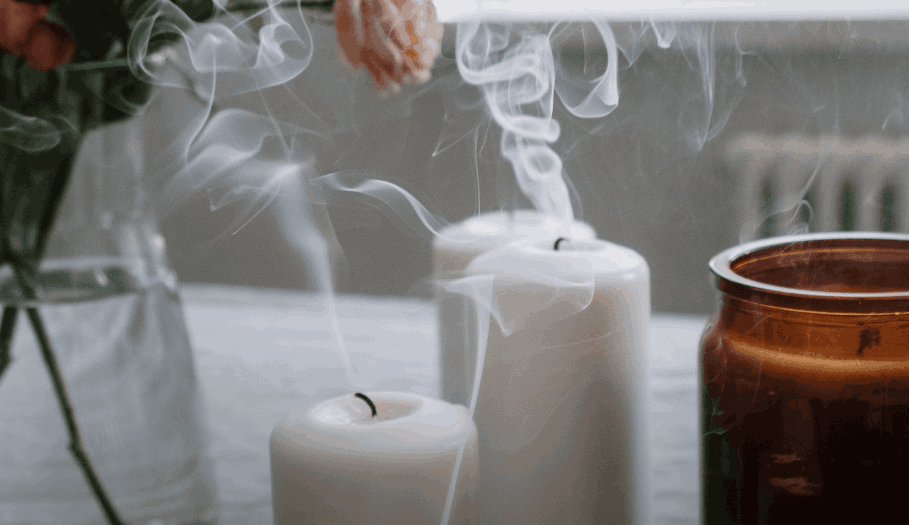
Scented candles are everywhere on Pinterest.
In cozy reading nooks. On bathroom shelves. In “hygge” flat lays.
I used to love them too.
But I stopped. And the more I learned, the more I realized I had been inviting something genuinely harmful into the most intimate spaces of my home without ever questioning it.
This is that story.
It Started With My Mom
I was 12 years old when my mother died of cancer.
What made it impossible to accept — and still does — is that she was one of the cleanest, most health-conscious people I knew.
She used to wash her legs before bed every night without fail. If my cousins visited, she made sure they followed the same routines.
She expected cleanliness at every meal.
She was meticulous in a way that most people are not.
She had no bad habits. No smoking. No drinking. Nothing that the standard health conversation would flag as a risk.
And yet, cancer found her.
I was 12, and I could not digest it.
That grief turned into something else over the years: a deep, restless need to question everything I had been told was safe.
Modern food. The quick fixes we’re sold for our health. Chemical-heavy household products.
The everyday products sitting on our shelves.
I started gravitating toward organic living. Natural remedies. Close-to-nature choices wherever I could, not out of fear but out of a quiet, persistent conviction that the things marketed to us as harmless often are not.
Scented candles were one of the last things I looked at. They felt so innocent. So cozy. So harmless.
But, they are not.
What Is Actually Burning in Your Room?
When you light a conventional scented candle, you are not just releasing a pleasant fragrance. You are starting a chemical reaction inside your home.
Dr. Yvonne Burkart is a toxicologist and one of the clearest voices on this topic. What she outlines is not alarmist. It is chemistry.
Burning a conventional candle releases:
- Benzene, a known human carcinogen, and toluene, a solvent linked to respiratory and neurological effects
- Formaldehyde, a recognized indoor air pollutant
- Ultrafine particulate matter (PM2.5), the most hazardous category of air pollution, small enough to enter your bloodstream directly through your lungs
- Volatile organic compounds (VOCs), which react with indoor ozone to form harmful nanoparticles
Here is the part that genuinely shocked me: your candle does not have to be lit to pollute your home.

Scented candles release VOCs at room temperature. The jar sitting on your shelf, unlit, is already off-gassing synthetic fragrance chemicals into your air.
You are breathing them in whether the wick is burning or not.
The Fragrance Formula Nobody Talks About
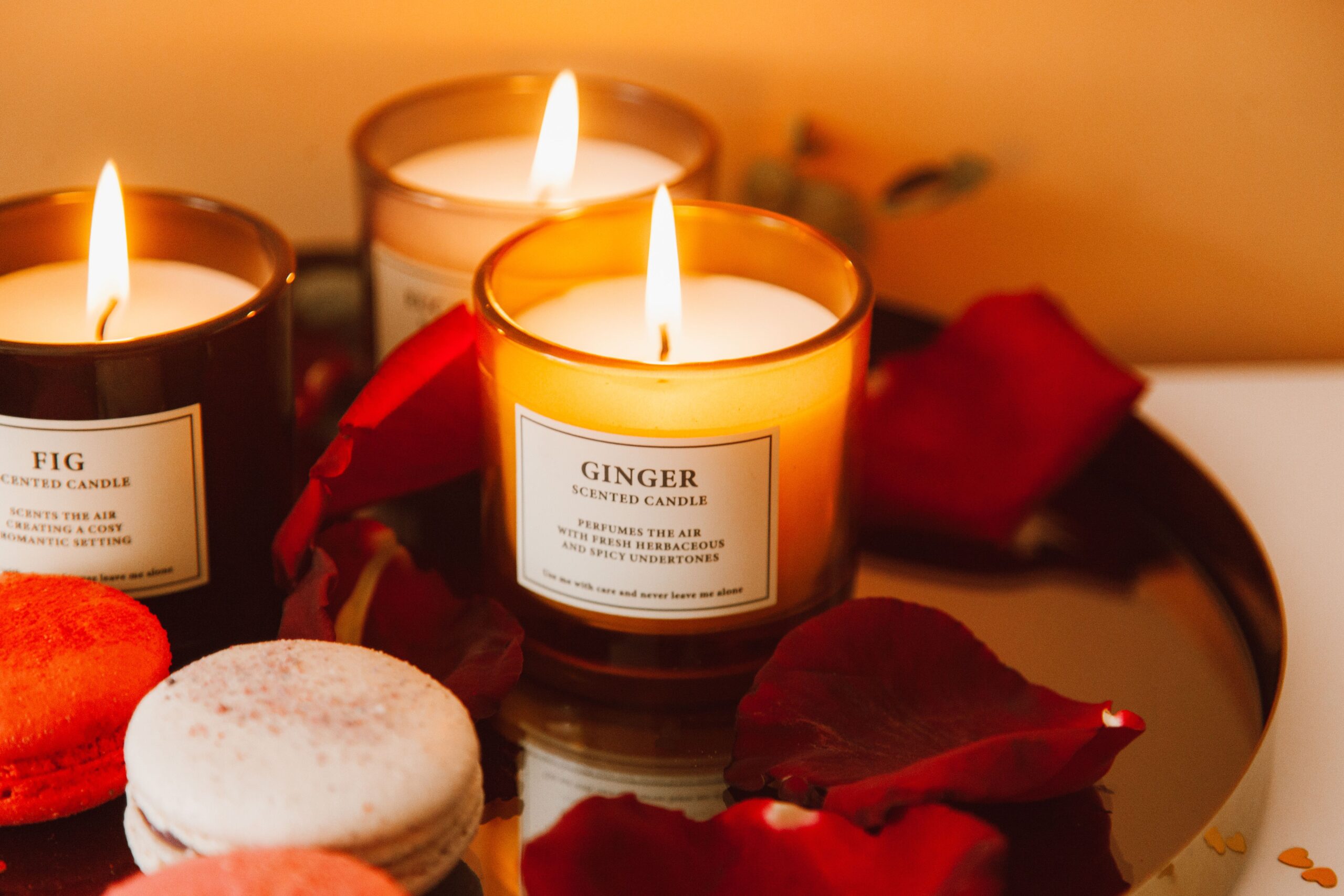
The word “fragrance” on a candle label sounds beautiful.
What it actually represents is a proprietary chemical blend that manufacturers are not legally required to disclose.
This is not a conspiracy. It is a regulatory gap.
Candle ingredients are subject to virtually no government oversight in the United States.
Companies can use petroleum-derived paraffin wax, industrial-grade solvent dyes, and undisclosed synthetic fragrance chemicals.
And they do not have to tell you a single thing about what those chemicals are.
Some of those dyes are benzidine-based colorants, flagged for their potential carcinogenic effects.
The synthetic fragrance compounds can trigger migraines, breathing difficulties, and chemical sensitivities in people who have no idea why they keep getting headaches at home.
Emerging research is beginning to connect the toxic mix released by scented candles to an increased risk of bladder cancer.
Are Unscented Candles Safe?
This is the first question I asked myself when I started looking into this.
If the fragrance is the problem, surely unscented candles are fine?
Not exactly.
The issue is not only the fragrance. It is also what the candle is made from.
Most conventional candles, scented or unscented, are made from paraffin wax.
Paraffin is a byproduct of petroleum refining.
When you burn it inside your home, Dr. Burkart compares it to burning gasoline indoors.
The combustion releases the same family of harmful chemicals regardless of whether synthetic fragrance has been added.
The honest answer is that burning anything inside your home has a cost to your air quality, even plant-based waxes like soy or coconut produce ultrafine particles and combustion byproducts when burned.
According to an experimental study, burning unscented paraffin candles produced massive spikes in transient fine particulate matter (PM2.5), peaking at 3,361 µg/m³, compared to just 88 µg/m³ for natural soy wax.
It also recorded heavy nitrogen oxide (NOx) emissions (288 µg/m3). The study concluded that the structural degradation of petroleum-based paraffin wax during burning inherently compromises indoor air quality, regardless of whether a fragrance is present.
So, it’s clear that the type of wax and wick matter. No candle is completely impact-free.
Are Soy Candles Any Better?
Soy candles are widely marketed as the “clean” alternative. I bought into this for a while.
Here is the reality: soy wax is a step up from paraffin, but it is not a clean pass.
Most soy candles still use synthetic fragrance blends with the same undisclosed chemicals.
The soy wax itself is often heavily processed and may be blended with paraffin.
And burning soy still produces particulate matter and combustion byproducts.
Soy is better than paraffin. It is not harmless.
Endocrine Disruption: The Angle Nobody Is Talking About Enough
This is the part that matters most to me, and the part I wish more people understood before placing a scented candle on their nightstand.
Many of the synthetic fragrance chemicals found in scented candles are endocrine disruptors.
These are chemicals that interfere with your body’s hormonal system by mimicking, blocking, or altering the signals that hormones send.
This is not happening in isolation. Since artificial and plastic-derived products became a fixture in our homes, hormonal conditions have surged in ways that are hard to ignore.
PCOS, now officially renamed Polyendocrine Metabolic Ovarian Syndrome (PMOS), PCOD, and female pattern hair loss (FPHL) are all on the rise.
The connection is not coincidental. The products filling our homes are changing the hormonal environment inside our bodies.
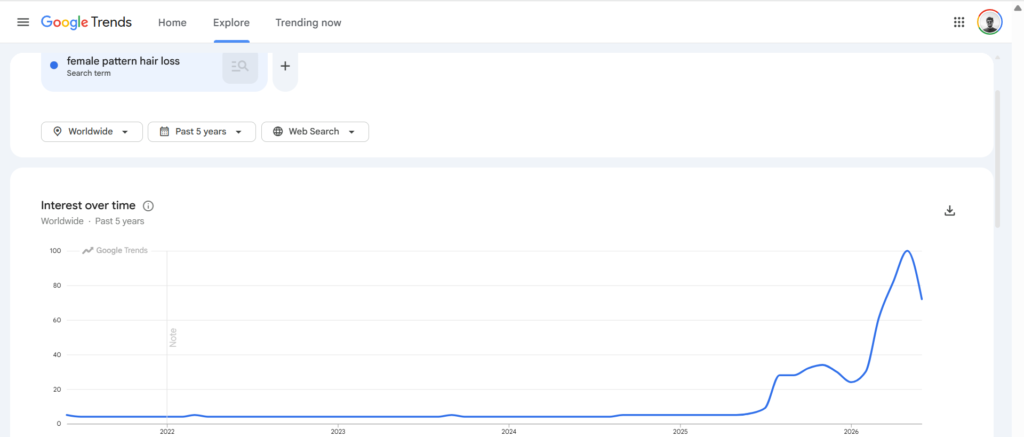
And this is not just statistics to me.
My wife was diagnosed with female pattern hair loss, clinically known as androgenetic alopecia, at 25 years old.
Like my mother, she has no bad habits. No smoking. No alcohol. Nothing the standard checklist would flag as a risk.
Yet she lost nearly 60% of her hair in the crown and front areas.
Picture a 25-year-old woman with only 30 to 40% of her hair remaining.
It is not just a cosmetic concern. It quietly takes something from a woman that goes far deeper than appearance.
I knew about her condition before we married. I accepted it without hesitation.
But once we were together, my instinct to question and discover kicked in the way it always does.
Over the past year, I have uncovered 7 root causes that no doctor has ever mentioned to her.
I am putting everything together into a PDF guide to help other women who are navigating the same silent struggle.
If that is something you would find useful, let me know in the comments, and I will share it when it is ready.
But for now, back to endocrine disruption, because this is exactly where that conversation belongs.
Your endocrine system regulates everything: your menstrual cycle, fertility, thyroid function, stress response, sleep, mood, and metabolism.
Phthalates, commonly used to help fragrance stick to candle wax and last longer, are some of the most well-documented endocrine disruptors in everyday consumer products.
They have been linked in research to:
- Disrupted estrogen and testosterone levels
- Reduced fertility in both men and women
- Thyroid dysfunction
- Early puberty in girls
- Pregnancy complications
If you are trying to conceive, already pregnant, or simply trying to support your hormonal health, burning synthetic fragrance candles regularly in your bedroom and living spaces is worth reconsidering carefully.
The cruel irony is that the “relaxing” ritual many women build around candles: the bath, the dim light, the calming scent, may be quietly working against the hormonal balance that relaxation is supposed to support.
Can Scented Candles Cause Cancer?
I want to answer this honestly rather than sensationally.
The research is emerging rather than conclusive. But what is already established is significant:
- Benzene and toluene, released when candles burn, are classified as known human carcinogens by the International Agency for Research on Cancer (IARC)
- Benzidine-based dyes used in colored candles are flagged for carcinogenic potential
- A growing body of research is examining the link between indoor VOC exposure and bladder cancer, specifically
- Long-term exposure to ultrafine particulate matter is associated with lung disease and increased cancer risk
Regular, long-term exposure in enclosed spaces, such as a bedroom, a small bathroom, or a home office, represents more risk than occasional use in a well-ventilated, large room.
My mother’s cancer had no obvious cause. I will never know what contributed to it.
But I know that she kept her home clean and closed, the way careful people do.
And I know that what we breathe inside our homes matters in ways we are only beginning to measure.
What About Your Pets?

I do not have pets myself. But this is a detail I wish more candle lovers knew.
Dogs and cats are significantly more vulnerable to airborne toxins than humans.
Their respiratory systems process air differently; they spend more time close to the ground where heavy particles settle, and they groom themselves constantly, meaning whatever lands on their fur ends up inside their bodies.
Cats, in particular, are highly sensitive to VOCs and synthetic fragrance compounds.
Multiple veterinary toxicology reports link regular indoor fragrance exposure — candles, plug-ins, wax melts — to respiratory inflammation and, in some cases, liver stress in cats, whose livers lack the enzymes to process certain aromatic compounds.
If you have a pet who spends time in the rooms where you burn candles, this is worth knowing before the next time you reach for a match.
Candles and Respiratory Health: COPD, Asthma, and Everyday Breathing
If you or anyone in your home has asthma, COPD, or any chronic respiratory condition, conventional scented candles are a genuine trigger risk, not a background inconvenience.
The ultrafine particles released by burning candles are in the same size range as the most harmful air pollutants studied in air quality research.
They bypass the nose and throat’s natural filtration and go directly into the lower respiratory tract and bloodstream.
For someone with healthy lungs, this creates slow cumulative exposure.
For someone with compromised respiratory function, it can trigger immediate reactions: tightness, wheezing, coughing, and exacerbated symptoms.
Wax melts, often marketed as a flameless “safer” option, are not a meaningful alternative here.
They produce high levels of VOCs that react with indoor ozone to form the same harmful nanoparticles, without the flame.
Candles vs. Cigarettes: A Comparison Worth Making

Nobody would light a cigarette in their baby’s nursery.
But many of the same compounds released by cigarette smoke, such as benzene, toluene, and formaldehyde, are also present in the emissions from burning scented candles.
The concentrations are lower. The exposure is less acute. But it is cumulative.
An hour of candle burning in a small closed room every evening adds up over weeks and months in ways that indoor air quality researchers are increasingly concerned about.
Dr. Burkart specifically notes that these chemicals do not simply float in the air and dissipate.
They attach to house dust. They settle on surfaces, on furniture, on floors.
And if there is a crawling baby in your home, they are interacting with exactly the level where that baby plays, touches things, and puts their hands in their mouth.
Children cannot detoxify the way adults can.
Early-life chemical exposures can have consequences that follow them for years.
What I Use Instead
Making this switch was easier than I expected. And genuinely more beautiful.
The Vitruvi Stone Diffuser was the first thing that replaced the visual warmth I thought I needed from candles.
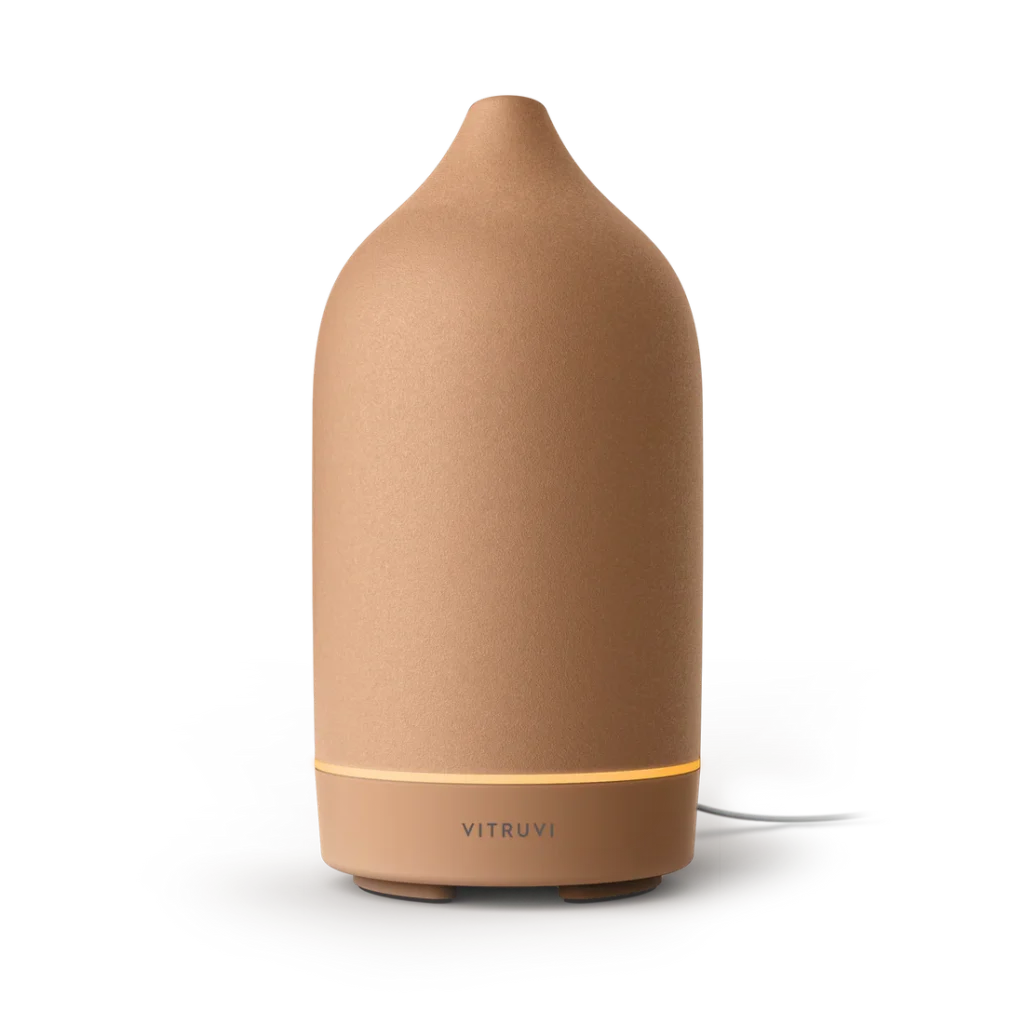
It is the most photographed diffuser in reading nook content for good reason. It is minimal, beautiful, and made from real stone.
It does one thing and does it well: diffuses pure essential oil into your air without heat, without combustion, without anything you need to worry about.
The device comes with a one-year warranty.
I chose Vitruvi because they are actively fighting the ‘fragrance loophole’ by rejecting toxic, undisclosed chemicals and instead creating all-natural, pure home scents that prioritize indoor air quality and safe well-being.
The SENMUL Fireplace Flame Oil Diffuser is the other one worth knowing about.
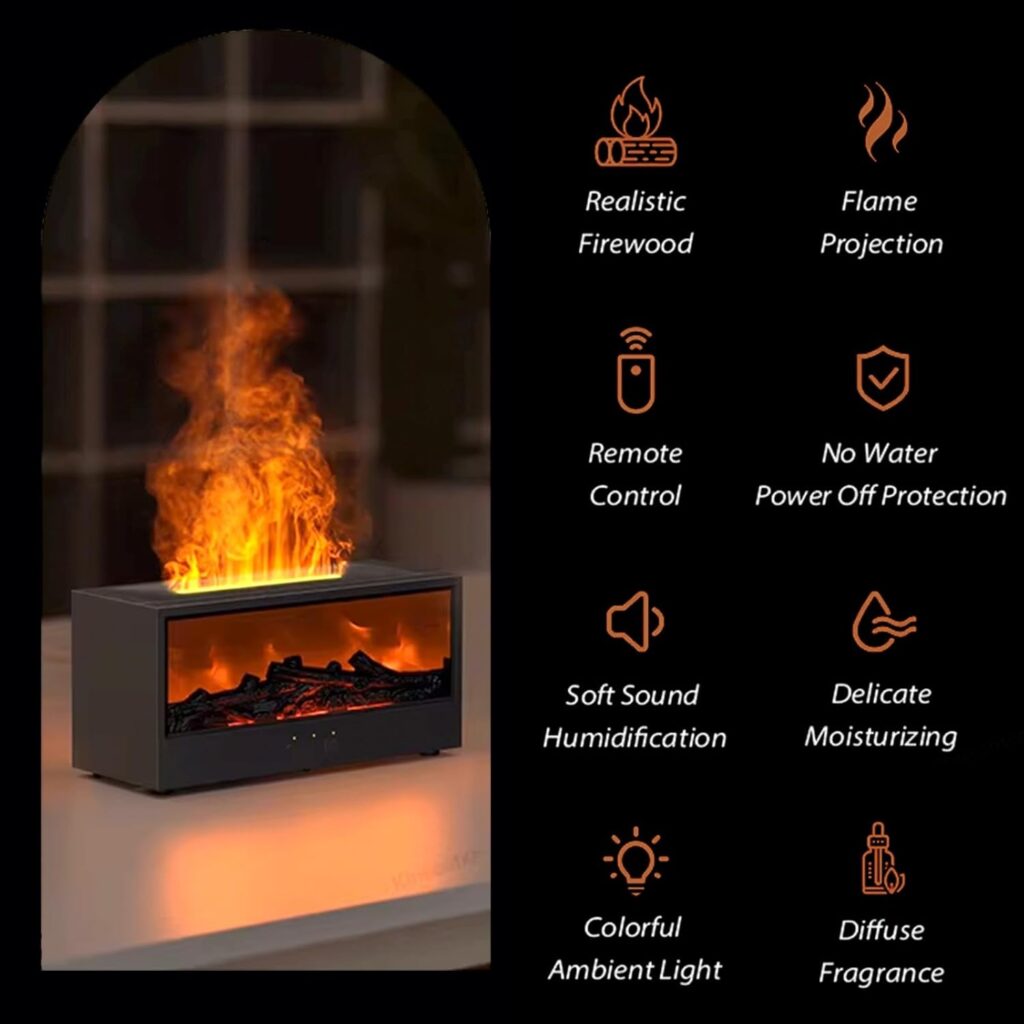
It has a realistic flame effect with 7 color settings, runs completely silently, and doubles as an aromatherapy diffuser.
I add a few drops of eucalyptus or citrus oil, and the room smells clean and alive rather than synthetic and heavy.
At $36.99 it is an investment that pays for itself quickly when you stop buying candle after candle.
These two are trending reading nook products, too!
If you love the ritual of a real flame, beeswax candles with cotton or wooden wicks are the closest to genuinely clean burning you can find.
Beeswax burns without the petroleum-derived emissions of paraffin, produces negative ions that can actually improve air quality, and does not require synthetic fragrance to smell good.
It has a natural, faintly honey-like scent on its own.
Other alternatives worth trying:
- Simmer pots: a small pot of water with citrus slices, cinnamon sticks, and herbs simmering on the stove fills your home with genuine warmth
- Himalayan salt lamps: the warm amber glow is real and cozy, with no combustion involved
- Baking: nothing fills a home more honestly than something actually in the oven
A Note on Gifting Scented Candles

Here is something I want to say to anyone who discovered this article while searching for scented candle gifts.
I understand the impulse completely.
Scented candles are beautiful, affordable, and feel like a thoughtful gesture. They photograph well. They wrap well.
They have a whole aesthetic built around them.
But knowing what I know now, I cannot gift something I would not put in my own home.
And I would not put a conventional scented candle in my own home anymore.
If you want to give something that creates ambiance and warmth without the chemical load, consider a beeswax candle set, a beautiful essential oil, or a small diffuser.
The intention is the same. The impact on the person’s health is meaningfully different.
The people we love deserve gifts that are as clean as the thought behind them.
The Bottom Line
I did not stop burning scented candles because I read a statistic.
I stopped because I have spent most of my life asking hard questions about the things we are told are harmless.
My mother followed every rule. She kept a clean home, ate carefully, and lived thoughtfully.
And none of that protected her from something that was quietly making its way into her body through channels nobody warned her about.
I cannot know whether any single product contributed to what happened to her.
What I do know is that I am not willing to fill my home with benzene, phthalates, and synthetic fragrance compounds and call it self-care.
Especially not when the alternatives are just as beautiful. And actually good for you.
If this made you think twice about the candle on your nightstand, that is enough.
Start there. 🫡❤️